Vital Considerations for Selecting the Right Table Legs Timber
Selecting the proper timber for eating table legs involves a nuanced understanding of various variables that affect both performance and visual appeal. The option of timber kind, ranging from robust hardwoods to a lot more fragile softwoods, plays a critical duty in ensuring longevity and stability. Each of these aspects can substantially influence the total experience of your dining room.
Importance of Timber Type

Hardwoods, such as maple, oak, and walnut, are frequently preferred for their toughness and resistance to use. These kinds of wood provide a robust foundation that can stand up to day-to-day usage, making them optimal for dining tables that experience constant celebrations. On the other hand, softer timbers like want might be a lot more at risk to scrapes and dents, which might not be optimal for high-traffic locations.
Furthermore, the selection of timber can likewise affect the simplicity of maintenance. Some timbers call for regular oiling or securing to preserve their appearance, while others might be more flexible. Inevitably, picking the suitable timber kind entails balancing visual considerations with practical requirements, ensuring that the eating table legs not just look appealing yet also stand the test of time.
Examining Stability and Toughness
When evaluating dining table legs, one must take into consideration the security and strength they supply to the general framework. The legs are essential in supporting the table top and ensuring the dining experience is delightful and secure. A steady table is vital for protecting against tottering or tipping, which can bring about spills or mishaps throughout dishes.
The choice of timber kind considerably affects stamina. Hardwoods such as maple, oak, and walnut are commonly more durable and durable than softwoods like ache or fir. In addition, the thickness and layout of the legs play a critical role; thicker legs or those with a tapered style can use better assistance and security.
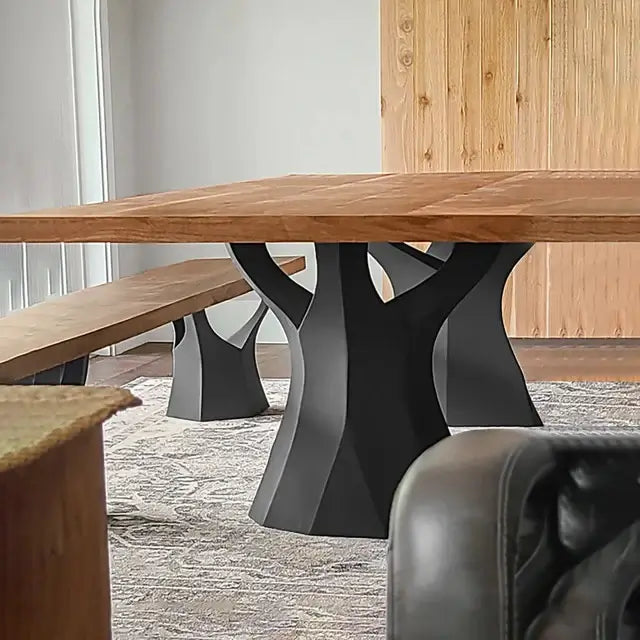
Visual Considerations
While functionality is paramount, the visual allure of table legs can not be neglected, as they substantially affect the general design and atmosphere of the dining area. The selection of style, finish, and wood can boost or take away from the table's aesthetic influence.

Finishes likewise play a critical duty in aesthetic appeals. An all-natural finish can highlight the timber's intrinsic beauty, while painted or discolored legs can present shade and character right into the space. The percentage and scale of the legs relative to the table top and surrounding furnishings needs to be thought about to make sure aesthetic balance and cohesion.
Eventually, the eating table legs must not only serve a functional function yet additionally contribute to a cohesive and inviting environment, making them a vital consideration in the total design of the dining location.
Upkeep Needs
To guarantee longevity and protect the appeal of wood dining table legs, regular upkeep is crucial (Dining Table Legs Wood). Timber is a natural material that can be vulnerable to harm from dampness, warmth, and use. Developing a regular care plan will considerably enhance the sturdiness of your dining table legs.
Begin with normal cleaning utilizing a soft, lint-free cloth to get rid of dust and particles that can scratch the surface. For even more index thorough cleaning, use a mild soap option and damp cloth, preventing excess wetness that might seep right into the timber. It is advisable to use a premium timber polish or conditioner every few months to nourish the timber and maintain its appeal.
Attend to any scrapes or damages immediately with proper wood filler or touch-up pens to stop more degeneration. By sticking to these upkeep requirements, you will not only protect the visual charm of your wooden eating table legs however also prolong their practical life-span.
Spending Plan and Price Factors
Budget and cost aspects regularly play an essential duty in the decision-making process for selecting wood eating table legs. When examining choices, it is important to establish a clear spending plan that lines up with your overall furnishings financial investment. The price of wooden dining table legs can vary substantially based upon the kind of timber, design, and workmanship complexity.
Hardwoods such as oak, walnut, and cherry normally command greater rates as a result of their durability and aesthetic allure. In comparison, softer woods like want may be more cost effective but could not supply the very same long life. Furthermore, custom-made or artisan-crafted legs can incur additional prices, mirroring the ability and time bought their development.
It is also vital to consider the possible lasting worth of your investment. While selecting lower-cost products could seem financially prudent originally, they might call for even more regular replacement or repair work, eventually increasing general expenditure.
Therefore, balancing high quality and cost is important. Focus on products that satisfy your aesthetic choices while guaranteeing they fit pleasantly within your spending plan, allowing you to create an eating location that is both visually appealing and useful.
Verdict
In final thought, selecting the suitable wood for dining table legs requires careful consideration of different elements, consisting of timber kind, security, looks, maintenance, and spending plan. Inevitably, an educated choice will certainly improve the longevity and visual allure of the eating table, making certain satisfaction and performance for years to come.
Picking the ideal kind of wood for dining table legs is vital for both visual appeal and architectural integrity. Eventually, selecting the appropriate wood type involves stabilizing aesthetic considerations with functional requirements, making certain that the dining table legs not only look attractive but additionally stand the test of time.
It is advisable to use a high-quality wood polish or conditioner every couple of months to nurture the wood and keep its radiance.
The cost of wooden eating table legs can differ dramatically based on the kind of layout, workmanship, and timber complexity.
In verdict, choosing the suitable wood for dining table visit their website legs requires mindful factor to consider of numerous factors, including wood type, stability, appearances, maintenance, and spending plan.